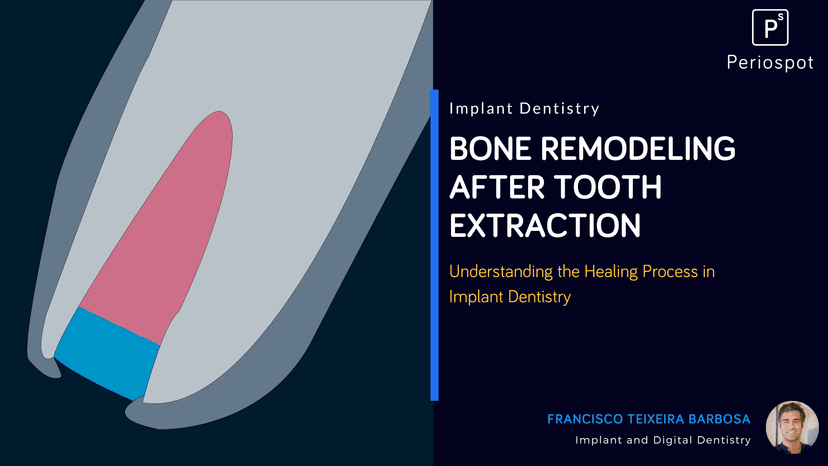
Gum Disease and High Blood Pressure: What the Evidence Actually Shows

Table of Contents
Last week I posted a 60-second video about gum disease and blood pressure, and it went further than most things I have posted this year. The comments split into two camps. One camp: "so periodontitis causes heart attacks." The other camp: "this is marketing nonsense." Both camps are wrong, and they are wrong in the same way: they skipped the evidence and went straight to a verdict.
So let's do what a one-minute video cannot. Here is what the periodontitis and hypertension literature actually shows, what it does not show, and what I think you should do with it, whether you hold a periodontal probe for a living or a blood pressure cuff was recently pointed at you.
Two very common diseases keep showing up together
Hypertension is a major cause of premature death worldwide. Severe periodontitis affects roughly 11 percent of the world's population, which makes it one of the most prevalent human diseases. With numbers like these, the two conditions will often coexist in the same mouth and the same arteries by pure chance. The question that matters is whether they travel together more often than chance predicts.
They do. A systematic review and meta-analysis in Cardiovascular Research led by Eva Muñoz Aguilera and the UCL Eastman group screened 81 studies and pooled 40 of them. People with moderate to severe periodontitis had 22 percent higher odds of hypertension, and people with severe periodontitis had 49 percent higher odds. Patients with periodontitis also ran higher absolute numbers: on average 4.49 mmHg more systolic (95% CI 2.88 to 6.11) and 2.03 mmHg more diastolic pressure than periodontally healthy controls. An earlier meta-analysis by Martin-Cabezas and colleagues found the same direction with 16 studies (OR 1.50 overall, 1.64 for securely diagnosed severe periodontitis), and a 2026 update pooling 60 observational studies landed in the same range: OR 1.33 to 1.62 depending on how periodontitis was defined.
Three meta-analysis teams, one consistent direction. But keep two caveats attached to all of these numbers. First, the underlying studies are heterogeneous: they define periodontitis differently, define hypertension differently, and adjust for different confounders, a limitation the meta-analysis authors themselves flag. Second, an association this size, in observational data this varied, is a starting point for questions, not an answer to them.
If 4.5 mmHg sounds trivial, it is not. At population level, small sustained shifts in systolic pressure move stroke and myocardial infarction statistics in a measurable way. That is why this association, and not some exotic rare-disease link, is what made cardiologists pay attention.
Before we go further: association is not causation. Almost all of these studies are cross-sectional. Periodontitis and hypertension share risk factors that love confounding the picture: smoking, age, obesity, diabetes, socioeconomic status. The meta-analyses adjusted for what they could, but no observational design can adjust for everything. And the prospective data, the kind that could show periodontitis preceding new hypertension, showed an odds ratio of 1.68 with a confidence interval from 0.85 to 3.35. That interval crosses 1. Honest reading: suggestive, not established.
Cause or coincidence? What the strongest designs say
Two lines of evidence push beyond simple correlation, and both live in the same paper in the European Heart Journal by Czesnikiewicz-Guzik and colleagues.
First, Mendelian randomization. Using genetic variants from four loci linked to periodontitis, tested against blood pressure in around 750,000 participants of large BP genetic consortia, the authors found that a genetic tendency towards periodontitis was associated with higher blood pressure. Genes are assigned at conception, so this design dodges most lifestyle confounding. But be precise about its weight: the large number describes the blood pressure datasets, while the periodontitis side rests on only four genetic instruments, and MR with few instruments is sensitive to their quality. Newer genetic analyses complicate the picture rather than settling it: a 2026 Mendelian randomization study of five oral traits found signals for dental caries and bleeding gums but no significant causal effect of periodontitis itself on essential hypertension. The genetic evidence, taken together, is conflicting. Causality remains unresolved.
Second, and more useful for us clinicians, the same group ran a randomized controlled trial. One hundred and one patients with hypertension and moderate to severe periodontitis were randomized to intensive periodontal treatment (subgingival and supragingival instrumentation with adjunctive 0.2% chlorhexidine) or control treatment (supragingival scaling only). The primary outcome was not a chairside cuff reading; it was 24-hour ambulatory systolic pressure, the kind of measurement hypertension trials are built on.
Two months later, the intensive group's ambulatory systolic pressure had fallen by 7.5 mmHg, while the control group's had drifted slightly upward. The between-group difference in change was 11.1 mmHg (95% CI 6.5 to 15.8, p < 0.001). Diastolic pressure and endothelial function improved too, and the improvement tracked the improvement in periodontal status. Impressive, and worth keeping in proportion: this was a single-centre, proof-of-concept trial with 101 patients and two months of follow-up. It proves the effect is possible. It does not prove the effect is typical, durable, or drug-like.
What happens to blood pressure when we treat the gums
One striking trial is one striking trial. The fair question is what the whole pile of intervention studies shows, and the answer depends heavily on who was treated and which studies you pool.
Start with the widest lens. The most recent meta-analysis, published in July 2026 in the Journal of Periodontology, pooled 12 randomized trials of periodontal therapy with blood pressure outcomes: systolic pressure fell by a mean of 4.64 mmHg (95% CI 3.30 to 5.99) and diastolic by 1.84 mmHg, alongside a 0.58 mg/L drop in C-reactive protein. The authors graded the certainty moderate to low and called for trials actually powered for blood pressure endpoints. That 4.64 figure, not 11, is the best current estimate of the average effect across all comers.
The larger numbers come from selected populations. In trials that enrolled people with elevated blood pressure, the effect was around 11 to 13 mmHg systolic. When analyses pooled everyone including normotensive patients, whose pressure had no particular reason to fall, the estimates shrank: Sharma's pooled estimate across all patients was not statistically significant, and Meng's estimate across six trials with blood pressure data sat in between, with substantial heterogeneity.
Change in systolic BP after periodontal treatment: trials vs pooled estimates
Mean difference vs control in mmHg (95% CI). Populations, comparators, and timepoints differ; these rows are context for each other, not replications. The pooled rows partly contain the trial rows.
Individual randomized trials
Pooled estimates (these overlap the trials above)
See the pattern? It is not "periodontal treatment lowers blood pressure by 11 mmHg." It is: the average effect across everyone is modest (around 4 to 5 mmHg systolic, moderate to low certainty), and selected short-term trials and subgroups in people with elevated blood pressure suggest much larger effects that still need confirmation in larger, longer trials.
The Cochrane review from 2021 is the sober chaperone at this party, and it deserves to be quoted accurately. Across eight RCTs it found no evidence of a difference in most comparisons, rated mostly low or very low certainty, and concluded that firm conclusions could not be drawn. The one exception: in patients with both periodontitis and hypertension, it found moderate-certainty evidence of a short-term reduction of 11.2 mmHg systolic and 8.4 mmHg diastolic, based on a single trial. The same trial you just read about.
And durability now has real data. A two-year randomized trial from the UCL group, published in the European Heart Journal in 2025, followed 135 otherwise healthy adults with periodontitis after intensive versus control treatment. Vascular structure and function improved: carotid intima-media thickness progressed less and flow-mediated dilation stayed better in the treated group for the full two years. Blood pressure, however, showed no substantial between-group difference. In normotensive patients, the vessels changed; the pressure did not.
So the honest summary of the treatment evidence is this: periodontitis is consistently associated with hypertension, but observational heterogeneity is high and causality remains unresolved. Selected small trials in people with elevated blood pressure reported systolic differences around 11 to 13 mmHg, while the newest 12-trial meta-analysis estimates an overall reduction of 4.64 mmHg with moderate to low certainty. A two-year trial in normotensive adults found vascular benefits but no blood pressure benefit, long-term benefit in hypertensive patients remains untested, and no trial has measured strokes or heart attacks. Treat periodontitis for its established oral benefits; any blood pressure improvement is a possible adjunctive bonus, not an antihypertensive treatment.
How could gums raise blood pressure? A plausible chain
Mechanism is where this story stops being statistical and starts being biological. Each link below has experimental support; the chain as a whole is plausible rather than proven, and I want to be precise about that difference.
1. A periodontal pocket is an open wound
Generalized periodontitis leaves ulcerated pocket epithelium with a surprisingly large total surface area in contact with a subgingival biofilm. Chewing, brushing, and instrumentation push bacteria and their endotoxins into the bloodstream.
2. The body answers with low-grade systemic inflammation
C-reactive protein and interleukin-6 run higher in periodontitis, and fall after treatment. An EFP-commissioned systematic review quantified the drop at roughly 0.5 mg/L of hs-CRP and 0.5 pg/ml of IL-6 six months after therapy, and the 2026 meta-analysis found a similar CRP reduction.
3. The immune system tilts pro-hypertensive
In the European Heart Journal trial, intensive treatment reduced interferon-gamma and circulating activated and immunosenescent CD8+ T cells, cell populations previously implicated in experimental hypertension.
4. The endothelium performs worse
Periodontitis is associated with reduced flow-mediated dilation, a measure of endothelium-dependent vasodilation, and successful periodontal treatment improves it. A vessel that dilates poorly regulates pressure poorly. In the two-year trial, treatment also slowed carotid wall thickening, a structural change.
5. Blood pressure sits a few mmHg higher
Which is exactly what the cross-sectional data show: about 4.5 mmHg systolic on average. Small for one patient, large for a population, and possibly reversible in the patients who have the most to gain.
Notice what this chain is not. It is not "bacteria from your gums clog your arteries," which is how this topic tends to get butchered on social media. The realistic model is quieter: a chronic inflammatory burden, added on top of all the other burdens, nudging vascular biology in the wrong direction for years.
What this means in your clinic on Monday morning
The 2020 consensus report of the European Federation of Periodontology and the World Heart Federation already translated most of this into practice guidance, so we do not have to improvise. Here is how I apply it.
Put a blood pressure cuff in the periodontal assessment, and use it properly. A third of adults between 30 and 79 have hypertension, and 44 percent of those affected do not know it. Patients see us more regularly than they see their physicians. Use a validated upper-arm device with the right cuff size, seat the patient with a few minutes of rest first, and repeat the measurement. And be clear about what a chairside reading is: an elevated value in the dental chair is a screening finding, not a diagnosis. WHO defines hypertension by elevated readings on two different days, so what we hand the patient is a documented reading and a referral, and that referral, in a patient with stage III or IV periodontitis, may matter more to their lifespan than anything we do subgingivally.
Treat the periodontitis on its own merits, and say so. The indication for periodontal therapy is periodontitis. If a hypertensive patient also gains a few mmHg of systolic improvement, that is a welcome bonus supported by short-term trial evidence, not the promise we sell. The same discipline applies around implants: inflammation does not respect titanium, and peri-implant disease may contribute to the same systemic inflammatory burden.
Never touch the medication narrative. The sentence "maybe I can drop my lisinopril if my gums heal" needs to die in the chair, kindly but immediately. No trial supports replacing antihypertensive therapy with periodontal therapy, and the treatment effects we have are short-term. Blood pressure medication decisions belong to the physician, full stop.
Coordinate, in writing. For stage III and IV patients with elevated chairside readings, I send a short note to the physician: periodontal diagnosis, readings observed, treatment planned. Cardiology and periodontology are managing the same inflamed patient; the letter just admits it.
If you are a patient reading this
You probably arrived here because your gums bleed, or because someone told you gum disease raises blood pressure, and you want a straight answer. Here it is: people with serious gum disease are more likely to have high blood pressure, treating serious gum disease improved blood pressure in short clinical trials of people who had both conditions, and none of this replaces your blood pressure medication or your physician.
The honest sentence sounds like this: "Healthy gums will not replace your blood pressure treatment, but treating gum disease may support the same goal your physician is working toward, and it protects your teeth either way." Bleeding gums are a medical finding, not a cosmetic one. Get them assessed.
The 60-second version of this article, from the Periospot YouTube channel. The 4.64 mmHg figure it quotes is the pooled systolic reduction from the July 2026 meta-analysis.
Frequently asked questions
Does gum disease cause high blood pressure?
Not proven. Periodontitis is consistently associated with hypertension (roughly 22 to 62 percent higher odds across meta-analyses, depending on severity and definition). Genetic evidence is conflicting: one Mendelian randomization analysis supported a causal direction, a newer one found no significant effect for periodontitis itself. Causality remains unresolved, and shared risk factors like smoking, obesity, and age explain part of the overlap.
Can treating gum disease lower blood pressure?
On average, modestly: the newest meta-analysis of 12 randomized trials found systolic pressure about 4.6 mmHg lower after periodontal therapy, with moderate to low certainty. Short trials in people with hypertension or prehypertension reported larger reductions (11 to 13 mmHg over two to six months), and a two-year trial in people with normal blood pressure found vascular benefits but no blood pressure change. Long-term effects in hypertensive patients have not been tested.
Should I change my blood pressure medication if my gums improve?
No. Never adjust or stop antihypertensive medication without your physician. No study supports periodontal treatment as a replacement for blood pressure medication.
How do I know if I have periodontitis?
Warning signs include gums that bleed with brushing, persistent bad breath, receding gums, and loose or drifting teeth. Diagnosis requires a periodontal examination with probing. If any of this sounds familiar, book a dental assessment; early stages are far easier to treat.
Recommended reading
If you want the full scientific foundation behind periodontal medicine, including the oral-systemic evidence this article draws on, there is one reference book I keep coming back to:
Affiliate link. If you buy through it, Periospot earns a small commission at no extra cost to you.
And if long-term thinking is your thing, I recently wrote about what 25 years of implant follow-up really showed: same lesson, different tissue. The mouth keeps score, quietly, for decades.
Muñoz Aguilera E, Suvan J, Buti J, et al. Periodontitis is associated with hypertension: a systematic review and meta-analysis. Cardiovasc Res. 2020;116(1):28-39. doi:10.1093/cvr/cvz201 · PMID 31549149
Czesnikiewicz-Guzik M, Osmenda G, Siedlinski M, et al. Causal association between periodontitis and hypertension: evidence from Mendelian randomization and a randomized controlled trial of non-surgical periodontal therapy. Eur Heart J. 2019;40(42):3459-3470. doi:10.1093/eurheartj/ehz646 · PMID 31504461
Gandhi KK, Batra C, Affendi H. Cardiovascular and anti-inflammatory effects of periodontal therapy: A systematic review and meta-analysis of randomized trials. J Periodontol. 2026 (online July 4). doi:10.1002/jper.70162 · PMID 42400461
Orlandi M, Masi S, Lucenteforte E, et al. Periodontitis treatment and progression of carotid intima-media thickness: a randomized trial. Eur Heart J. 2025 (online August 19). doi:10.1093/eurheartj/ehaf555 · PMID 40827724
Martin-Cabezas R, Seelam N, Petit C, et al. Association between periodontitis and arterial hypertension: A systematic review and meta-analysis. Am Heart J. 2016;180:98-112. PMID 27659888
Mirzaei A, Mahdavi-Gorabi A, Mahmoodi D, et al. Association of periodontitis with hypertension: An updated systematic review and meta-analysis. J Diabetes Metab Disord. 2026;25(1):137. doi:10.1007/s40200-026-01936-1 · PMID 42145662
Qian B, Fang Z. Causal relationship between oral diseases and hypertension: a Mendelian randomization study. Exp Biol Med. 2026;251:10922. doi:10.3389/ebm.2026.10922 · PMID 42180398
Sharma S, Sridhar S, McIntosh A, et al. Periodontal therapy and treatment of hypertension: alternative to the pharmacological approach. A systematic review and meta-analysis. Pharmacol Res. 2021;166:105511. PMID 33617973
Luo Y, Ye H, Liu W, et al. Effect of periodontal treatments on blood pressure. Cochrane Database Syst Rev. 2021;12:CD009409. PMID 34897644
Zhou QB, Xia WH, Ren J, et al. Effect of Intensive Periodontal Therapy on Blood Pressure and Endothelial Microparticles in Patients With Prehypertension and Periodontitis. J Periodontol. 2017;88(8):711-722. PMID 28452620
Meng R, Xu J, Fan C, et al. Effect of non-surgical periodontal therapy on risk markers of cardiovascular disease: a systematic review and meta-analysis. BMC Oral Health. 2024;24:692. PMID 38877442
Orlandi M, Muñoz Aguilera E, Marletta D, et al. Impact of the treatment of periodontitis on systemic health and quality of life: A systematic review. J Clin Periodontol. 2022;49(S24):314-327. PMID 34791686
Sanz M, Marco del Castillo A, Jepsen S, et al. Periodontitis and cardiovascular diseases: Consensus report. J Clin Periodontol. 2020;47(3):268-288. doi:10.1111/jcpe.13189 · PMID 32011025
World Health Organization. Hypertension fact sheet, 2024 update: an estimated 1.4 billion adults aged 30 to 79 (33 percent) have hypertension; 44 percent are unaware; diagnosis requires elevated readings on two different days. who.int
D'Aiuto F, Parkar M, Nibali L, et al. Periodontal infections cause changes in traditional and novel cardiovascular risk factors: results from a randomized controlled clinical trial. Am Heart J. 2006;151(5):977-984. PMID 16644317
Revised 8 August 2026 after an independent evidence review: added the July 2026 pooled treatment estimate (Gandhi et al.), the two-year vascular outcomes trial (Orlandi et al. 2025), the 2026 updated association meta-analysis and conflicting Mendelian randomization evidence; reframed the treatment chart to separate trials from overlapping pooled estimates; and removed an antihypertensive-drug comparison.
Check Your Knowledge
Comments
0 totalLoading comments...
Previous
A 6-mm Implant Is Not a Shortcut: What 10 Years of Evidence Actually Show
Next
How I Make Dental Carousels With Claude and GPT That People Actually Save
![Bundle Bone: The Complete Guide to Gap Management & Immediate Implants [2026 Update]](/_next/image?url=https%3A%2F%2Fajueupqlrodkhfgkegnx.supabase.co%2Fstorage%2Fv1%2Fobject%2Fpublic%2Fimages%2Fposts%2Fbundle-bone-the-complete-guide-to-gap-management-immediate-implants%2Fregenerated-1768916026108.jpeg&w=828&q=75)